I Walked 10,000 Steps a Day for a Year. Here’s What I Learned.
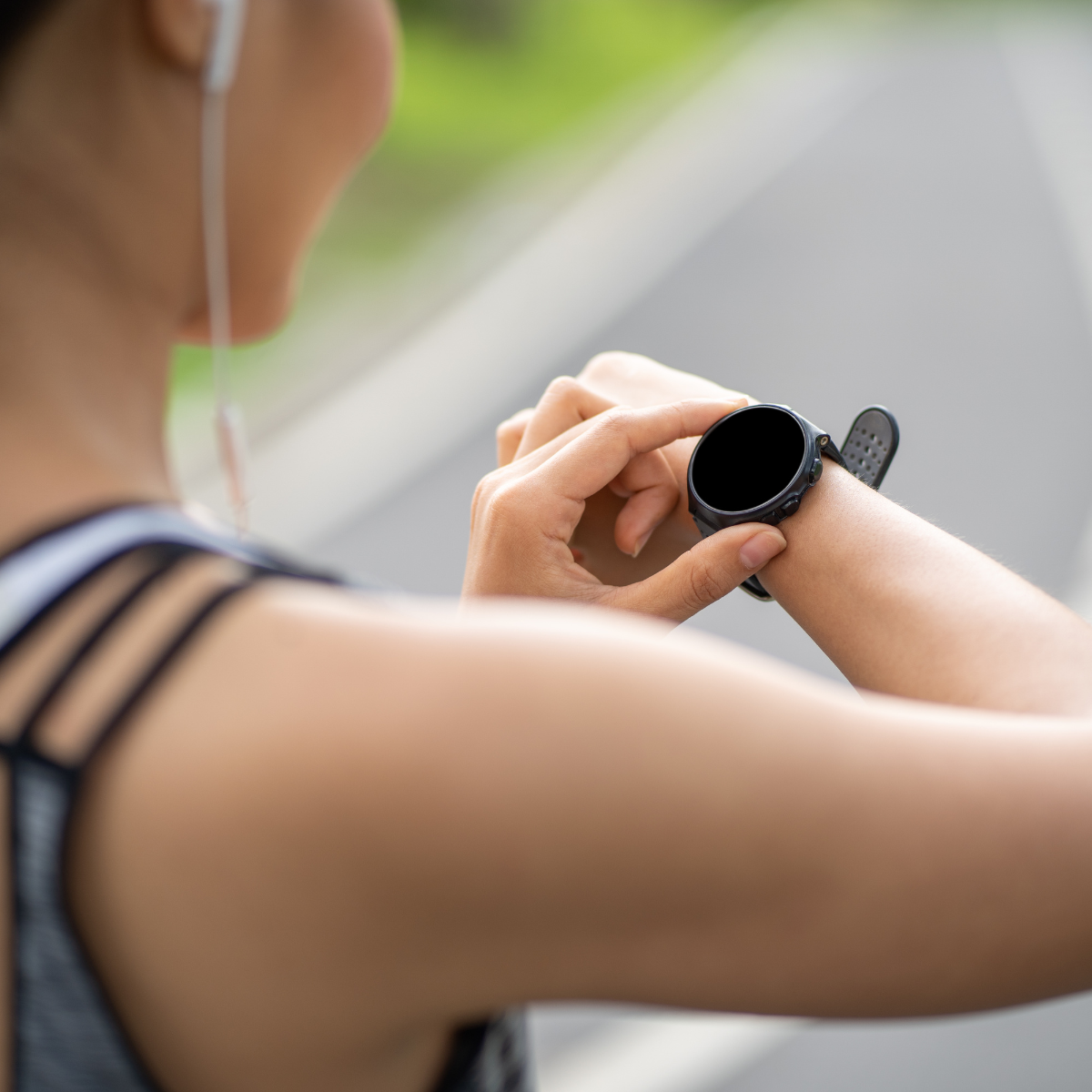
Yes, I became that one friend who wouldn’t stop checking their step count.
I know. Ten thousand steps is an arbitrary number—one we’ve all been aggressively fed by fitness trackers, wellness culture, and that one friend who won’t stop checking their watch (yes, I became that friend). I knew it was arbitrary when I decided to do it anyway. And still, I hit at least 10,000 steps every day for a year, mostly out of curiosity and a desire to see what would happen if I treated walking like a habit instead of a health trend. What I didn’t expect was how much it would change the way I think about movement, discipline, and wellness advice in general. Here’s what I learned.
Why I tried it (and why I’m doing it again this year)
For years I’d toyed with the idea of hitting 10,000 steps a day—and usually I’d start the year out doing it, only to arrive at a particularly cold day at the end of January and decide it wasn’t that serious and fall off. But in 2025, for whatever reason, I decided I was going to stick with it.
I wasn’t chasing weight loss or training for anything in particular. What I wanted was structure, and walking felt simple, accessible, and—at least on paper—easy to integrate into daily life. I also liked that it was binary: either I hit the steps or I didn’t (not hitting them wasn’t really an option). No intensity to judge, no workout to optimize, just walking.
And despite knowing the number itself was arbitrary, I was curious what would happen if I committed to it fully, instead of half-trying and giving up after a busy week. So I tried it. Then I kept going. And now, a year later, I’m doing it again—not because it was effortless, but because it taught me more than I expected.
What surprised me most
Ten thousand steps is a lot of steps.
Not in a physically exhausting way—walking itself was rarely hard—but in a deeply inconvenient way. Ten thousand steps requires time, planning, and intention. It meant evening walks when I would’ve preferred to sit on the couch. It meant pacing my house while dinner cooked (yes, I got looks from my husband). It meant hitting 9,200 steps at 9 p.m. and realizing I still had to go back outside.
What surprised me most was that movement wasn’t the hard part—making space for it was. And that’s something we rarely acknowledge when we talk about daily step goals.
What didn’t happen
Despite what I expected, walking didn’t become second nature. I didn’t suddenly wake up excited to hit my step count, and I didn’t stop noticing the effort it took.
What did happen was that I started craving time outside. Not in a productivity-hacked way, but in a very human one. Walking became less about the number on my watch and more about getting fresh air, clearing my head, and breaking up long stretches of sitting. The habit didn’t become automatic—but the benefits became obvious.
How it changed my thinking as a dietitian
As a dietitian, a big part of my job is helping people find movement that actually fits into their lives. I also consider myself a very active person—and even I struggled to hit 10,000 steps some days.
That put a lot into perspective. If someone who enjoys movement, understands behavior change, and has flexibility in their schedule finds this challenging, what does that say about how we recommend step goals to everyone else?
This experience reinforced something I already believed but hadn’t fully appreciated: sustainable movement isn’t about hitting a perfect number every day. It’s about finding habits that feel supportive—not punishing—and goals that adapt to real life.
What I’d tell someone considering it
Before committing to a big daily step goal, I’d suggest taking a week to notice your current habits. How much are you moving now? When does movement feel easy, and when does it feel like a stretch?
Starting smaller—adding a few thousand steps rather than jumping straight to 10,000—often leads to more consistency. Big goals can be motivating, but they can also backfire if they feel unattainable from the start.
The bigger takeaway
This year of walking taught me that movement works best when it supports your life—not when it becomes another metric to chase or another thing to feel behind on. The number itself matters far less than the habit you build around it.