Groceries Are Expensive—But This Might Be One Ingredient Worth Splurging On
I was at the grocery store the other day and caught myself doing something I really hate—gawking at literally every price I encountered. Nine dollars for a bag of granola? I genuinely couldn’t believe it. And while I know grocery prices have been climbing for a while now, it’s something I’ve always tried not to fixate on. At the end of the day, I need to buy food to live—so there’s really no avoiding it. That said, I’ve definitely found myself reaching for more cost-effective options than I used to.
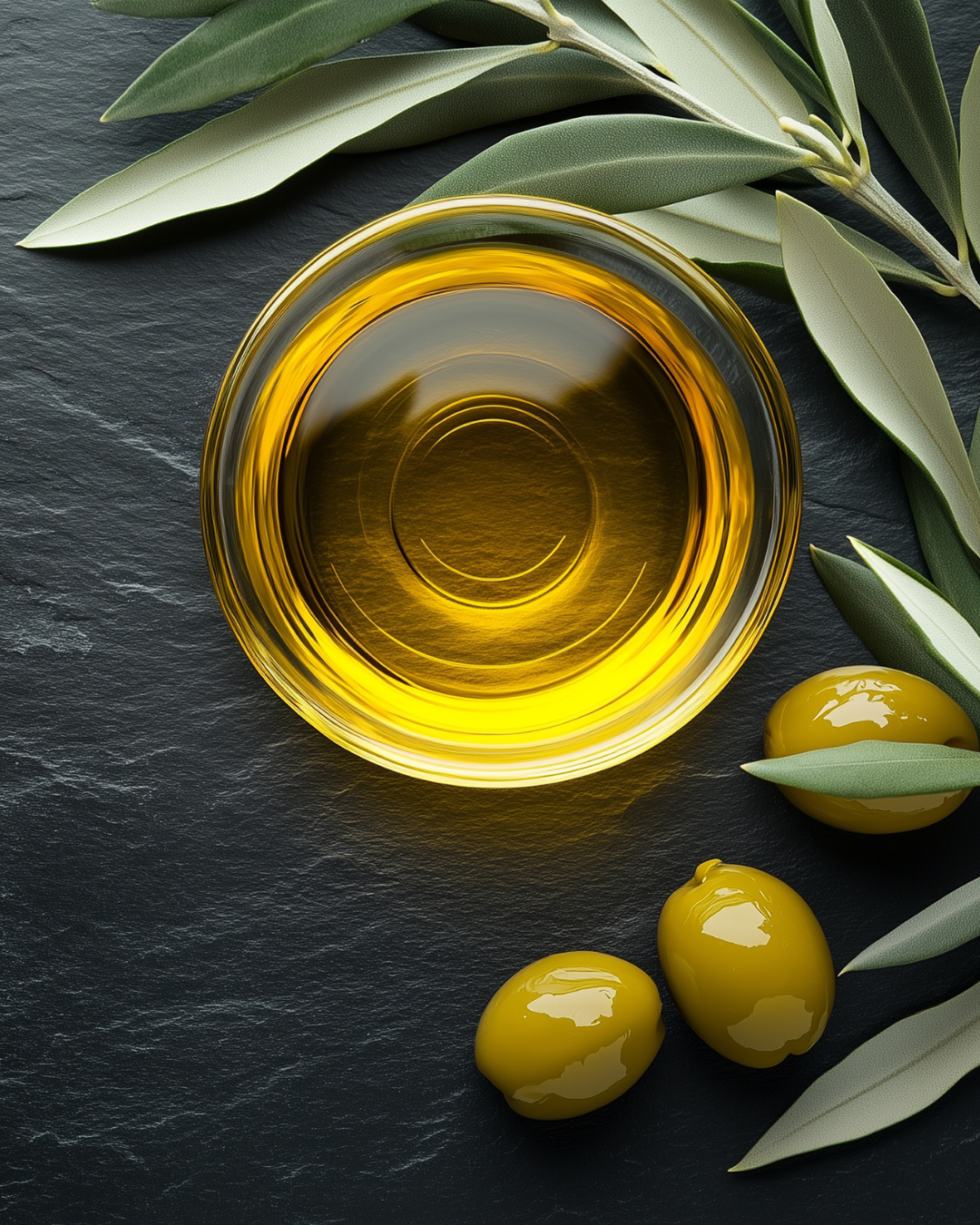
And if you’ve had a similar experience—walking through the store wide-eyed at prices (acting how you promised yourself you’d never act) and looking for ways to cut costs, you’re not alone. And while I’m all for saving where you can, not every item in your cart is created equal. In fact, new research suggests there may be one everyday staple that’s worth the splurge—and that’s olive oil.
We’ve long been told that olive oil is a cornerstone of a healthy diet, particularly as a hallmark of the Mediterranean diet. It’s often praised for its heart health benefits, but a recent study adds another layer to the conversation. The findings suggest that the type of olive oil you choose—extra virgin versus more refined varieties—may play a role in both gut health and cognitive function over time.
And while I don’t love telling people to spend more money on groceries, this might be one case where it’s actually worth it.
Why This Study Actually Matters
What makes this study so interesting is that it didn’t just look at olive oil in general—it zoomed in on the type of olive oil and how different levels of processing may impact both gut health and brain function. And that connection matters more than you might think. There’s a growing body of research showing that the gut and brain are closely linked, often referred to as the “gut-brain axis,” meaning changes in one can influence the other.
After analyzing participants’ diets, stool samples and cognitive test results, researchers found that those who consumed minimally processed olive oils—like extra-virgin and virgin—experienced greater improvements in cognitive function compared to those using more refined “common” olive oils. So, what’s behind that difference? It pretty much comes down to processing. Extra-virgin olive oil undergoes minimal refinement, which helps preserve naturally occurring compounds like polyphenols—plant compounds known for their antioxidant and anti-inflammatory effects. More refined olive oils, on the other hand, lose a significant portion of these beneficial compounds during processing.
The finding I found most interesting was that the group consuming less refined olive oils also showed greater diversity in their gut microbiome. And while researchers can’t say for certain that these gut changes directly caused the improvements observed in cognitive function, the connection is hard to ignore. In other words, this study suggests that when it comes to olive oil, it’s not just about using it—it may be about which kind you’re reaching for.
The Grocery Store Problem No One Talks About
Of course these findings are compelling, but I’m no stranger to the grocery store. The section that houses olive oils is often overwhelming, expansive and…yes…expensive. From “Mediterranean” to “Italian” to “cold-pressed” to “minimally processed”—how exactly are we supposed to know what to buy? Especially when there’s options on the bottom shelf for a fraction of the price?
Here’s the good news: you don’t need to overcomplicate it. If there’s one thing to focus on, it’s choosing extra-virgin olive oil when you can. That label indicates a less refined product, meaning it retains more of those beneficial compounds linked to heart and brain health.
From there, a few small details can help you get the most out of your bottle. Look for oils packaged in dark glass (this helps protect those delicate compounds), and if you spot a harvest or production date, even better—fresher oil tends to have higher levels of those beneficial polyphenols. And while terms like “cold-pressed” can sound impressive, they’re often more marketing than meaningful when it comes to quality.
That said, this doesn’t have to be an all-or-nothing situation. If a high-quality extra-virgin olive oil isn’t in the budget for every use, consider saving it for finishing dishes—like drizzling over salads, vegetables or dips—and using a more affordable option for higher-heat cooking.
It’s Not About Spending More—It’s About Spending Smarter
At a time when groceries feel more expensive than ever, the goal isn’t to upgrade everything in your cart—it’s to be intentional about where quality actually matters. There are plenty of places where opting for the more affordable version makes little to no difference nutritionally. But this study highlights that olive oil may not be one of them. Because it’s something many of us use regularly—whether for cooking, dressings or finishing dishes—even small differences in quality can add up over time. In other words, this isn’t about spending more across the board. It’s about recognizing that some foods aren’t interchangeable, even if they sit next to each other on the shelf.
So…Is It Actually Worth the Splurge?
I could actually make this a really long answer, but I’ll make it short and sweet: it depends.
If olive oil is a staple in your kitchen—something you use on the daily—then investing in a higher-quality extra-virgin option is probably worthwhile. You’re not just paying for flavor, but for a product that retains more of the compounds linked to potential health benefits.
If you use it more occasionally, or you’re working within a tighter budget, it doesn’t have to be a priority. Nutrition isn’t all-or-nothing, and there are many ways to support your health without focusing on a single ingredient.
A good middle ground? Use a higher-quality extra-virgin olive oil where you’ll actually taste and benefit from it—like in salad dressings or as a finishing oil—and keep a more budget-friendly option on hand for cooking.
What I Personally Do (As a Dietitian Who Also Pays for Groceries)
As much as I talk about nutrition for a living, I still grocery shop like a normal person—which means I’m paying attention to prices, too. I don’t upgrade everything in my cart. But olive oil is one area where I tend to be more intentional. I always opt for extra-virgin olive oil for a few reasons:
I cook most of my meals at home. Aside from eating out once or twice a week, I’m usually cooking—so olive oil is something I use almost daily. Because it’s such a staple in my routine, it feels like a place where quality matters more.
It’s an easy way to include healthy fats. Long before I was thinking about potential cognitive benefits, I knew olive oil was a simple way to add more unsaturated fats to my meals—whether I’m roasting vegetables, sautéing something quick or making a dressing.
It actually tastes good. This might sound obvious, but it matters. Olive oil adds flavor, richness and depth to meals, which makes home cooking more enjoyable.
The Bottom Line
Grocery shopping right now can feel overwhelming—and expensive. And while it makes sense to save where you can, not every choice carries the same weight. This research suggests that when it comes to olive oil, quality may actually matter because how it’s processed can influence what you’re actually getting from it.
So no—you don’t need to spend more on everything. But if there’s one place you might consider being a little more selective, this could be it.